
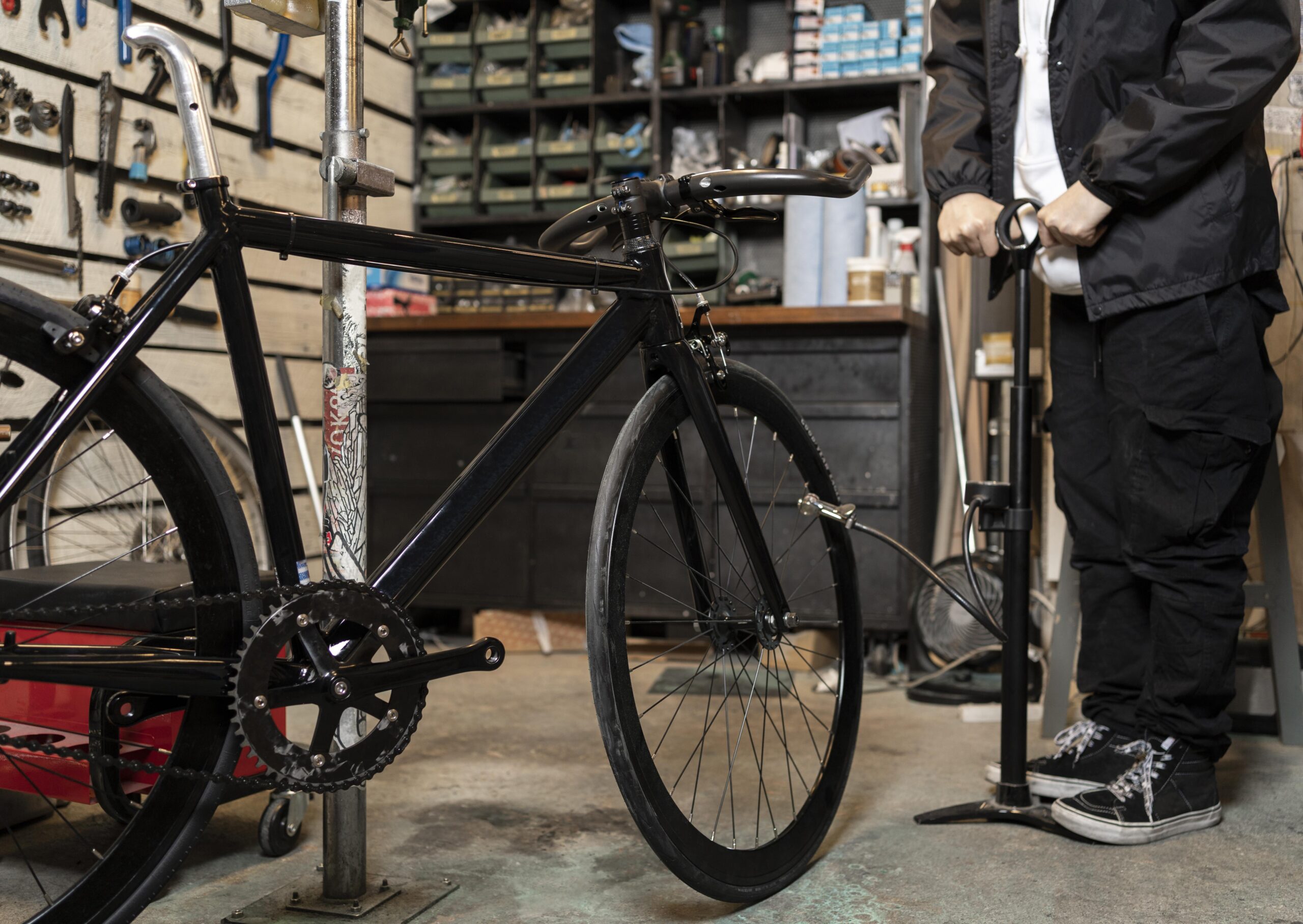
New Hampshire winters are beautiful, but they can be tough on bikes. Cold temperatures, moisture, road salt, and long periods of storage can all take a toll if your bike isn’t prepared properly. These are the key things to focus on to keep your bike protected all winter long.
1. Start With a Deep Clean
Before winter arrives, give your bike a thorough wash.
- Wash the frame, wheels, and drivetrain
- Remove built-up grime from the chain, cassette, and derailleur
- Dry everything completely to prevent rust
Beginning winter with a clean bike reduces corrosion and makes spring tune-ups much easier.
2. Lubricate All Moving Parts
Cold and moisture can strip lubrication quickly, especially in winter conditions.
- Apply a cold-weather bike chain lubricant
- Lubricate cables, pivots, and moving joints
- Wipe off any excess to avoid attracting dirt
Proper lubrication significantly extends the lifespan of drivetrain components. If you need winter-ready lubes, cleaners, or other bike maintenance accessories, you can find them at Norm’s Ski & Bike.
3. Store Your Bike in a Stable Environment
Where you store your bike matters as much as how you prepare it.
- Store indoors whenever possible — a heated garage, basement, or utility room is ideal
- Avoid uninsulated sheds or spaces with large temperature swings
- Keep bikes off concrete floors with a wall mount or rack
Stable temperatures and dry spaces help protect metal components, rubber seals, and tires from cracking or degrading.
If you’re thinking about improving your garage, lighting, or utility setup to make year-round storage easier, it’s worth working with a trustworthy local home services contractor in New Hampshire to make sure the work is done safely and correctly.
4. Winter-Ready Bikes vs. Bikes That Need Extra Care
Not all bikes handle winter the same way. If you ride in cold conditions or want easier winter storage, knowing the differences helps.
Bikes that perform well in cold weather
- Fat bikes: Wide tires provide excellent traction on snow and ice and float over soft surfaces.
- Hardtail mountain bikes: Simple frames with no rear suspension mean fewer parts exposed to moisture and cold.
- Steel or aluminum bikes: These frames tend to tolerate temperature swings better than more delicate materials.
These bikes are naturally more resilient in winter and require less maintenance when conditions get rough.
Bikes that need more care
- Road bikes: Narrow tires and slick tread make snowy or icy surfaces less safe.
- Full-suspension mountain bikes: While still usable, the added pivots and seals require more frequent checks and care after winter rides.
- Performance-focused bikes with narrow tires: These work best on clear pavement and can struggle in cold, wet conditions.
Even bikes that aren’t naturally winter-ready can still perform with the right setup and maintenance — like winter tires, frequent cleaning, and proper storage.
5. Protect Tires, Suspension, and Components
Long storage or winter riding can stress components.
- Inflate tires to the recommended pressure before storage
- Hang the bike if storing long-term to reduce pressure on tires
- Clean suspension seals and check for leaks before winter
Giving components the attention they need prevents damage from freeze-thaw cycles.
6. Remove and Store Accessories Indoors
Cold temperatures can damage electronic accessories and batteries.
- Remove bike computers, lights, and battery-powered devices
- Store electronics at room temperature
- Check helmets, gloves, and bags for moisture before storing
Cold drains batteries fast, so storing accessories inside helps them last longer.
7. Do Monthly Check-Ins
Even if your bike is stored, check on it occasionally.
- Spin the wheels to ensure nothing is seized
- Look for rust or moisture buildup
- Re-apply lubrication if needed
Small monthly checks reduce the risk of bigger issues later.
Final Thoughts
New Hampshire winters can be hard on bikes, but with the right preparation, they don’t have to be. Cleaning, lubricating, proper storage, choosing the right bike type, and protecting accessories all help extend the life of your gear.
Whether you’re riding through winter or storing your bike until spring, a little planning goes a long way. If you’re unsure how to prep your bike or want help choosing winter-ready gear, stopping by a trusted local bike shop like Norm’s Ski & Bike can make all the difference.