
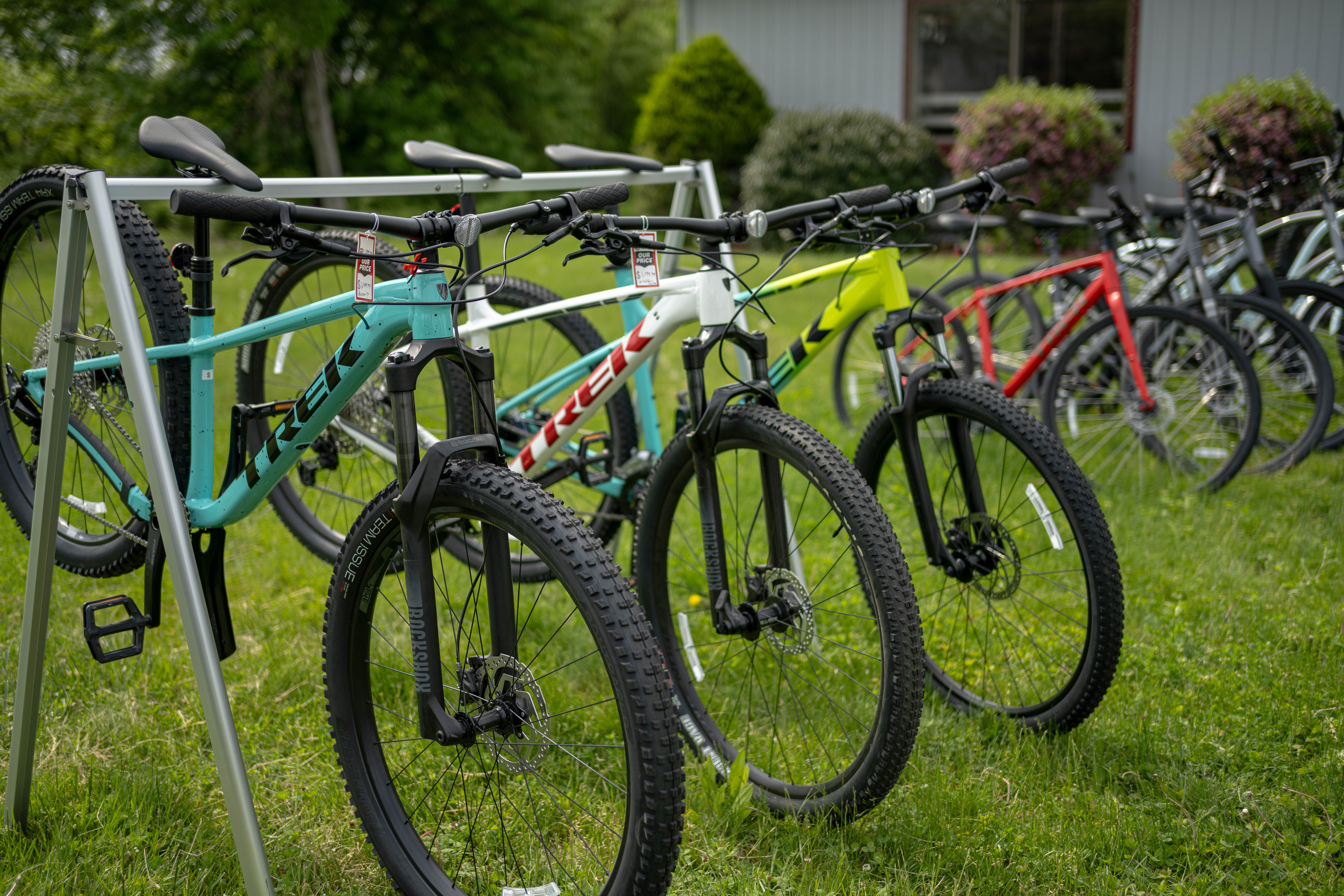
New England riding has its own set of demands. The terrain around Keene and the Monadnock region is rocky, rooted, and wet for much of the season.
The bikes that perform well here are not always the ones that top national reviews. This
guide covers what to look for, which models we carry, and how other bike types fit into
the local riding landscape.
What Makes New England Riding Different from Anywhere Else
When a major cycling publication names a “Bike of the Year,” chances are it was tested on long, dry climbs in Colorado or flowy desert singletrack in Sedona. That bike might be exceptional out West and completely wrong for New England.
The table below shows why bikes that top national reviews often struggle the moment they hit Monadnock-area trails:
| Western / National Riding | New England Riding | |
| Climbs | Long, sustained on loose dry dirt | Short, punchy on wet granite and roots |
| Descents | Wide-open sight lines, flowy | Tight, technical, tree-lined singletrack |
| Climate | Year-round riding, dry | 7-8 month season: mud, humidity, wet leaves |
| Tires | Semi-slick tires work well | Aggressive knobby tires are required |
| What to do | Research bikes tested in conditions similar to yours, not national awards | Prioritize durability, traction, and components that hold up to wet, gritty conditions |
The shorter season adds more pressure. Spring mud is hard on drivetrains. Summer thunderstorms turn trails into streams. Fall leaf cover hides rocks and roots. A bike that holds up here needs to be durable and capable in wet conditions, not just light or fast on dry terrain.
Terrain Types Across New Hampshire, Vermont & Beyond
- Technical rocky singletrack: Trails around Keene, the Monadnock region, and much of central New Hampshire. Granite ledge, loose rock, and rooted climbs need capable suspension and aggressive tires. Root-laced climbs demand capable suspension and aggressive tires.
- Flowy machine-built trails: Networks like Kingdom Trails in Vermont feature bermed corners, rolling terrain, and purpose-built jumps. Less demanding, but a trail-capable bike still handles these well.
- Gravel and dirt roads: Vermont has thousands of miles of unpaved roads, and New Hampshire and Massachusetts have their share, too. Drop-bar gravel bikes are a practical fit for this kind of riding.
- Rail trails and multi-use paths: Flatter, smoother routes like the Ashuelot Rail Trail near Keene work well for comfort bikes, cruisers, or e-bikes, and are suitable for family rides and casual fitness cycling.
How Seasonal Weather Impacts Your Bike Choice
- Spring (late March to mid-May): Mud season. Gritty, wet conditions wear through chains and brake pads quickly. Generous tire clearance and a durable drivetrain are worth prioritizing.
- Summer (June to August): Humidity keeps trails tacky. Sealed bearings, cartridge bottom brackets, and hydraulic disc brakes that hold up in wet conditions are important, not optional.
- Fall (September to November): Often the best riding time of year, but wet leaves over rocks and roots make for slippery conditions. Aggressive tread with well-spaced knobs holds grip where semi-slick tires do not.
Best Trail Mountain Bike Features for Rocky New England Terrain
- Suspension travel: 120–140mm. This range handles rock gardens and root drops without slowing the bike on the climb.
- 29-inch wheels. Larger wheels roll over obstacles more efficiently and when your trails are 80% obstacles, this matters enormously.
- Wide, aggressive tires(2.3–2.5 inches). Traction on wet granite and greasy roots requires deep knobs and adequate tire volume.
- Modern trail geometry. A slacker head angle (around 65-66 degrees) adds stability on steep descents. A steeper seat tube keeps climbing position efficient on short, punchy ascents
- Hydraulic disc brakes with large rotors. Consistent stopping on steep, wet terrain requires hydraulic brakes. Mechanical disc brakes do not offer the same modulation in these conditions.
- 1x drivetrain with a wide gear range. A single front chainring simplifies shifting and reduces mechanical issues, and a wide-range cassette covers everything from steep climbing to faster terrain.
Suspension, Wheel Size & Tire Considerations
Suspension travel: 130mm works well for most riders in this region. It handles the rocky character of New Hampshire trails without the added weight of a 150mm enduro setup. Riders on smoother trails can go down to 120mm. For the most technical terrain in the Whites or Vermont backcountry, 140mm gives more margin.
Wheel size: 29-inch wheels have become the standard for trail bikes in the Northeast. The larger diameter rolls over rocks and roots with less deflection than 27.5-inch wheels. On trails with frequent obstacles, that translates to less rider fatigue over the course of a ride.
Shorter riders (generally under 5’4″) often find 27.5-inch wheels easier to maneuver on tight singletrack. Some manufacturers offer mixed-wheel setups with a 29-inch front and 27.5-inch rear, which some riders find useful.
Tires: While semi-slick tires excel on dry hardpack, they fall short on wet New England granite. Opt for aggressive, knobby tires in the 2.3- to 2.5-inch width range. Tread patterns with taller, well-spaced knobs shed mud and bite into soft ground, while softer rubber compounds provide better purchase on wet rock.
Tires wear down much faster here than in drier climates. The gritty trail conditions chew through rubber quickly, and worn knobs sacrifice traction on the kind of terrain where you need it most.
Frame Materials: Aluminum vs. Carbon for Northeast Conditions
| Aluminum | Carbon Fiber | |
| Durability | Dents rather than cracks on rock impacts | Needs more careful inspection after hard hits |
| Weight | Heavier | Saves 1.5–2 lbs |
| Budget impact | More affordable; savings can go toward suspension and brakes | Better for climbing speed and all-day comfort |
| Best for | Entry-level and intermediate riders | Experienced riders who put performance first |
| Our take | For most riders buying their first or second trail bike, aluminum is the more practical choice. The savings are better spent on quality components. |
Entry Level Mountain Bike Options Worth Considering
Getting into mountain biking does require spending enough to get a bike that can actually handle trail conditions. There is a real difference between an entry-level mountain bike from a reputable cycling brand and a bike from a big box store.
What does “entry level” mean in mountain biking?
Entry-level refers to the most affordable bikes from reputable cycling brands that include trail-capable components: hydraulic disc brakes, air suspension forks, current geometry, and a reliable 1x drivetrain. Big box bikes may look similar, but they use heavier components that are not built for actual trail riding and can fail under stress.
Here’s what to look for in your first real mountain bike for New England:
✔ Hydraulic disc brakes: Required for steep, wet descents. Mechanical disc brakes do not perform reliably in the conditions you will encounter on most regional trails.
✔ Air fork with at least 120mm travel: Air springs are tunable to your weight. 120mm handles our rocky terrain far better than the 80mm coil forks found on budget bikes.
✔ 1x drivetrain: A single chainring with a wide-range rear cassette is simpler to maintain and more reliable on rough trails than older 2x setups.
✔ Proper frame sizing: A bike that doesn’t fit is a bike you won’t ride safely. This is where buying from a shop matters. We’ll measure standover height, reach, and riding position to match you to the right frame.
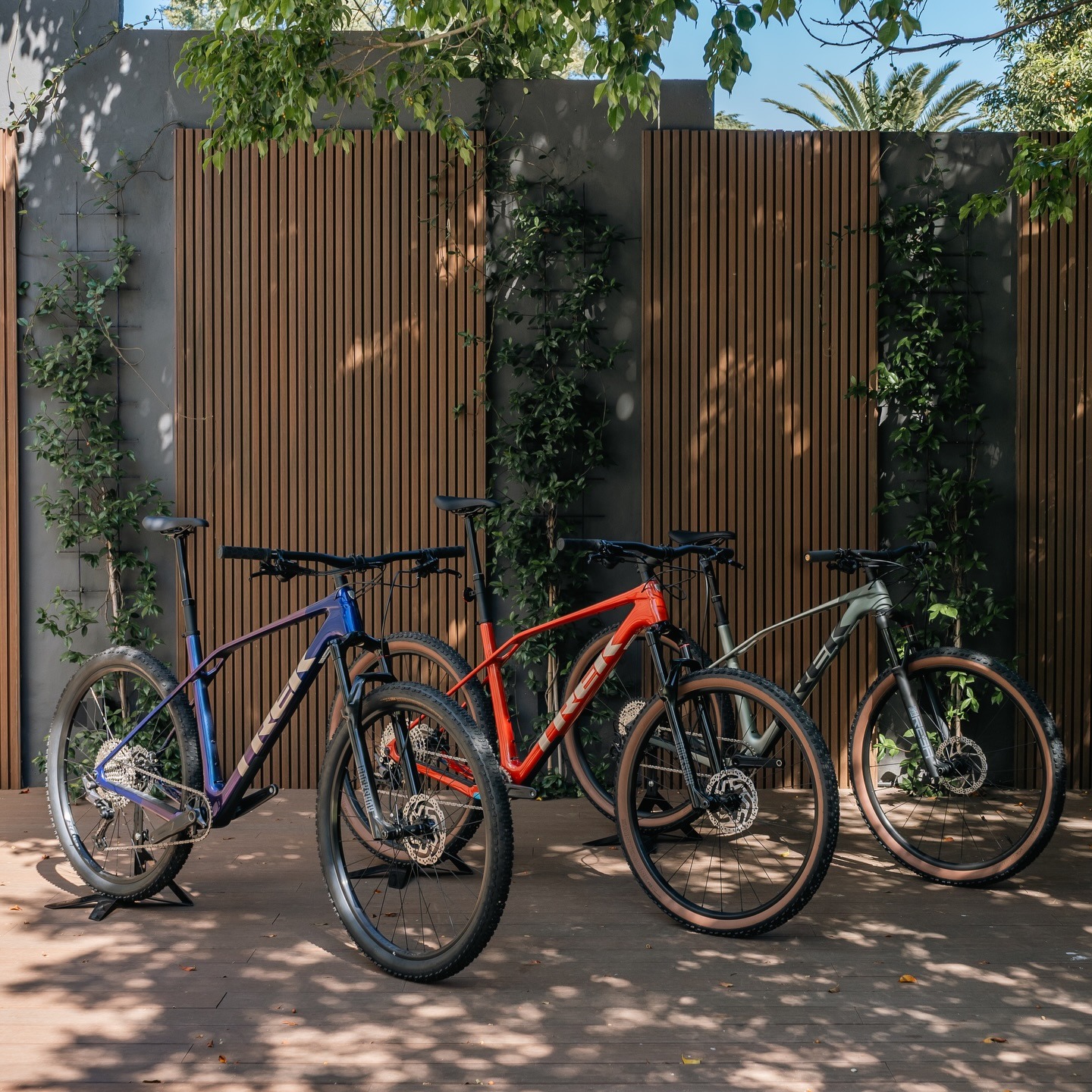
We carry Trek, and the lineup includes several options at the entry level that are built for real trail use.
Trek Mountain Bikes We Carry
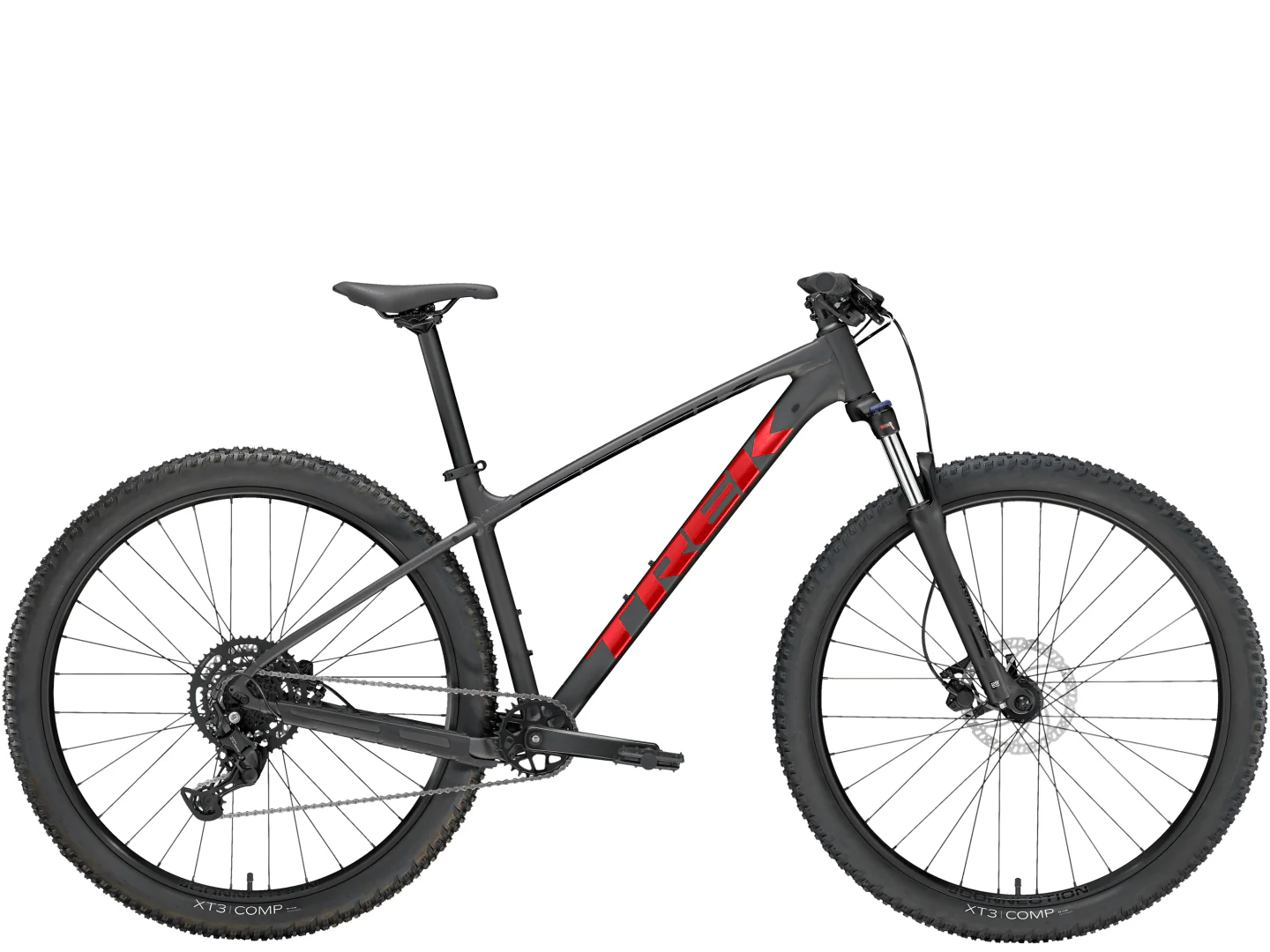
Here are the main Trek hardtail models we carry:
Trek Marlin 5 Gen 3: A solid entry-level trail bike. It features hydraulic disc brakes, a 1x drivetrain, and a modern, slacker geometry with a wider wheelbase for high-speed stability. Great for new riders seeking capability without the complexity.
Trek Roscoe 8 Gen 4:Built for riders ready to push their hardtail limits on technical terrain. It features a 140mm fork, 27.5×2.6″ tires, and aggressive trail geometry for steep, rocky lines. A good step up from the Marlin if you’re ready to push your riding.
Trek Farley: A fat bike built for all-season riding. Its oversized tires tackle snow, sand, and loose terrain where regular bikes get stuck, ideal for New England winters. Inventory changes fast, so stop by the shop to check availability and find the right model for your goals.
What to Expect Across Budget Tiers
| Feature | Entry Tier | Mid Tier | Upper Entry Tier | Why It Matters for NE Trails |
| Frame | Aluminum, basic geometry | Aluminum, current trail geometry | Aluminum, aggressive trail geometry | Updated geometry adds stability on steep, technical descents |
| Fork | Coil, 100mm | Air spring, 120mm | Air spring, 120- 130mm with rebound adjust | Air forks are weight-adjustable, important for variable New England terrain |
| Brakes | Mechanical disc | Hydraulic disc | Hydraulic disc, large rotors | Hydraulic brakes are required for reliable stopping on wet, steep descents |
| Drivetrain | 2x or basic 1x, 7–8 speed | 1x, 9–10 speed | 1x, 10–11 speed, wide range | 1x drivetrains are simpler to maintain in muddy conditions |
| Tires | Narrow (2.1″), basic tread | Moderate (2.25″), decent tread | Trail-width (2.3″+), aggressive tread | Wider tires with deeper knobs grip wet granite and rooted terrain |
| NE Trail Readiness | Light rail trails only | Moderate singletrack capable | Confident on most regional trails | Most Monadnock area singletrack calls for at least the mid-tier spec |
Mistakes First-Time Buyers Make (And How to Avoid Them)
These are the things we see most often when riders come in after buying somewhere else:
- Buying online without getting sized: A bike that’s the wrong size is harder to control and less comfortable to ride. On technical terrain, it’s also a safety issue. Getting sized in person takes a few minutes and saves you a lot of headaches down the road.
- Going with mechanical disc brakes: We see this a lot. Riders bring in brand-new online purchases and can’t confidently stop on wet, steep terrain around Keene. Hydraulic disc brakes are the minimum for trail riding in this region.
- Overlooking tire quality. Stock tires on budget bikes are usually built for low resistance on pavement. On wet roots and granite, they slip. Swapping to proper trail tires is often the biggest single improvement a new rider can make.
- Skipping professional assembly. Bikes shipped in boxes need proper setup. Headsets, bottom brackets, brakes, and derailleurs all have to be correctly installed and adjusted. Bad assembly leads to problems on the trail.
Beyond the Trail: Other Great Bike Styles for New England
Mountain bikes aren’t the only way to ride here. New England’s terrain suits a few different types of bikes.
- Gravel bikes: Drop bars, wider tires, and endurance geometry make them a good fit for the thousands of miles of dirt and gravel roads across Vermont, New Hampshire, and western Massachusetts. Worth considering if your rides regularly mix pavement and unpaved surfaces.
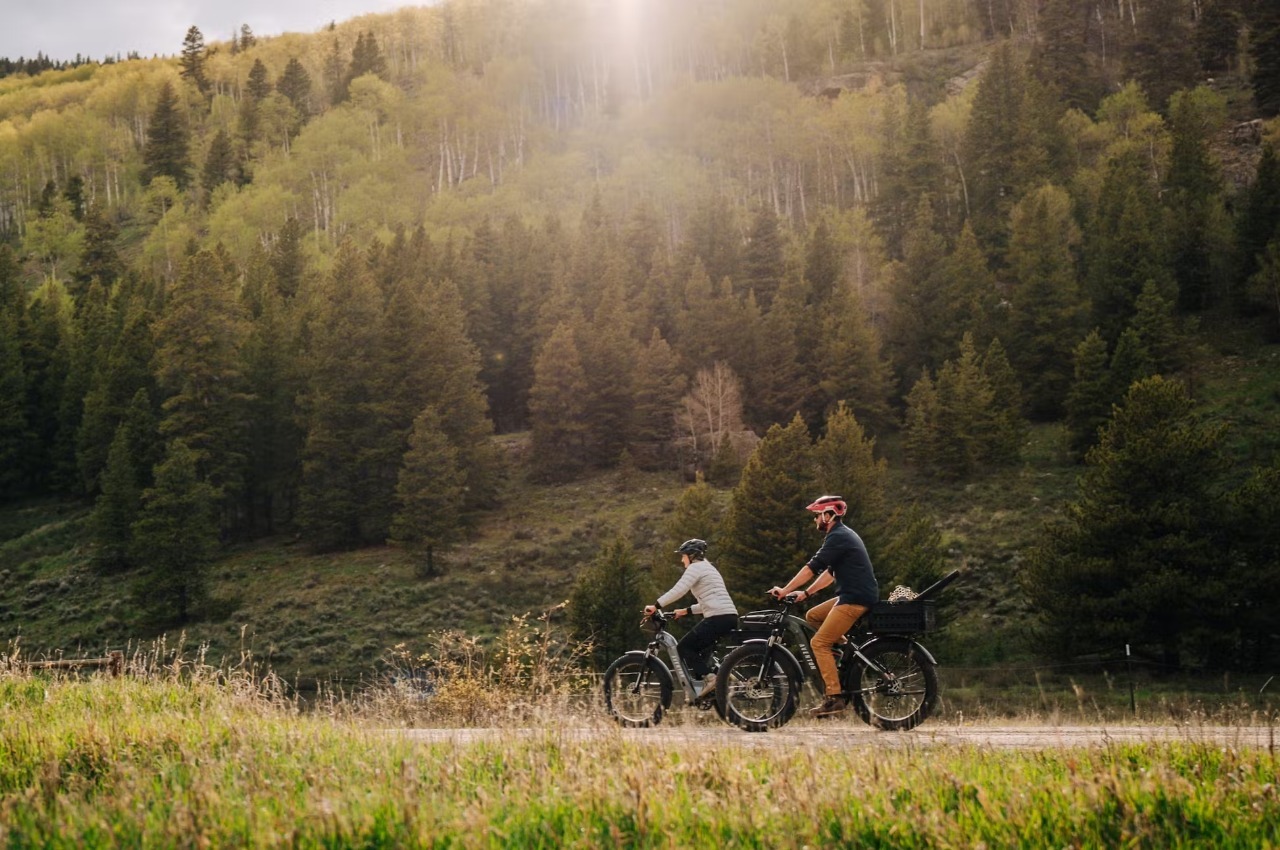
- E-bikes: They have brought cycling to a broader range of riders in recent years. Great for people who want to cover more ground, take on hillier routes, or get back into cycling after a break. We carry e-bikes from Trek and Aventon. Check them out here.
- Cruiser and comfort bikes: For rail trails, lakeside paths, and casual riding around town. We carry Electra cruisers that combine classic style with genuine comfort for riders who want a relaxed ride without worrying about performance specs.
Why Buying Local Matters for New England Cyclists
Buying a bike online is easy. What you don’t get is advice from people who know your local trails, understand the conditions, and will still be around when your bike needs work six months later.
Here’s what buying from us includes:
- Test rides. We’re in Keene, NH, close to the same trails you’ll be riding. When we recommend a bike, it’s based on real experience with local terrain, not a spec sheet.
- Proper fitting. We size every rider before recommending a frame. Fit affects how the bike handles, how comfortable it is on longer rides, and how safely you can control it on technical terrain.
- One-year complimentary adjustments. Every bike purchase comes with one year of adjustments at no charge. As your bike settles in and your riding develops, we’ll keep it dialed.
- Local trail knowledge. Our staff rides the biking trails in the Monadnock region. We can point you toward routes that match your level and help you figure out what to look for as you progress.
We’ve been part of the Keene, NH community for over 50 years. That comes from consistently taking care of local riders across the Monadnock region.
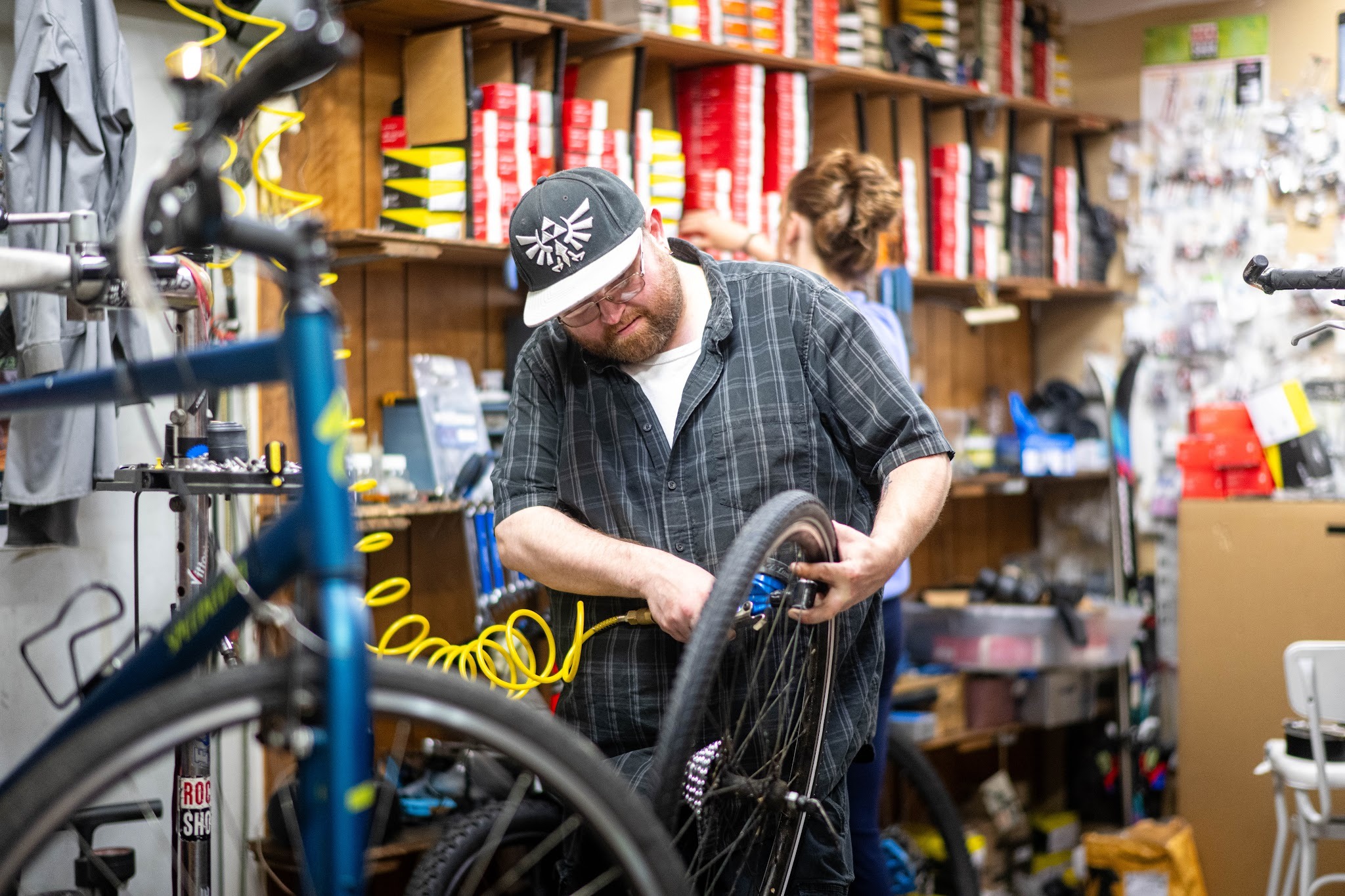
Ready to Find Your Perfect New England Bike?
Spec sheets only tell you so much. The best way to compare bikes is to actually ride them.
Come visit us in Keene, NH. We’ll help you find the right fit, point you toward local trails that match your level, and make sure you’re ready to ride.
The riding season in New England moves fast. Come in early, and you’ll have more time to find the right bike, get properly fitted, and get out on the trails before the best weeks of the season are gone.
Visit Norm’s Ski & Bike Shop in Keene, NH, to find the right bike for New England trails.
Frequently Asked Questions
What type of bike is best for New England trails?
For most riders here, a hardtail mountain bike with 120-140mm of fork travel and 29- inch wheels is a good starting point. The Trek Marlin and Roscoe are both built for the kind of terrain you’ll find around Keene and the Monadnock region: rocky, root-covered singletrack that needs traction and predictable handling.
If your riding is mostly on dirt roads and gravel rather than dedicated trails, a gravel bike is worth considering. The right call depends on where you’re riding most. Stop by, and we can help figure that out.
How much should I spend on my first mountain bike?
For trail riding in the Monadnock region, a mid-tier bike is generally the minimum to ride confidently on regional singletrack. That range gets you an air fork, hydraulic disc brakes, and a 1x drivetrain, the three things that make the biggest difference on New Hampshire trails.
Entry-tier bikes usually come with coil forks and mechanical disc brakes, which are fine on flat rail trails but struggle on technical singletrack. Come talk to us about what you’re planning to ride and we can show you what’s available.
Are 27.5 or 29-inch wheels better for riding in New Hampshire?
For most riders, 29-inch wheels work better on New Hampshire terrain. The bigger diameter rolls over rocks and roots with less resistance, which means less fatigue on longer, technical rides.
Riders under roughly 5’4″ often find 27.5-inch wheels easier to handle on tighter singletrack. The Trek Roscoe runs 27.5-inch wheels with wider 2.6-inch tires, which is a capable setup for riders who prefer that size. Not sure? Come in and try both.
Can I use a gravel bike on New England trails?
Yes, depending on the trail. A gravel bike handles dirt roads, rail trails, and moderate singletrack well. It’s a good option if your riding is split between pavement, gravel, and lighter off-road routes.
Where gravel bikes fall short is on the rockier, root-heavy singletrack around Keene and the Monadnock region. The geometry and tire clearance aren’t built for that kind of technical terrain. If most of your riding is on dedicated trails, a mountain bike is the better choice.
When is the best time of year to buy a bike in New England?
Early spring is generally the best time to come in. That’s when selection across sizes and models is most complete. Stop by before the season picks up and you’ll have more time to find the right bike without feeling rushed.
Do I really need a full-suspension bike for trails around Keene, NH?
Not for most riders. Most trails around Keene and the Monadnock region are very rideable on a good hardtail with solid suspension travel, aggressive tires, and hydraulic disc brakes.
Full suspension gives you more control and comfort on the roughest terrain, but it also adds weight and cost. For new and intermediate riders in this area, a capable hardtail is usually the more practical first bike. Stop by and we can go over what makes sense for the trails you’re planning to ride.